


Daylio Journal - Mood Tracker
4.724.71K Reviews
App Specs
- Version
- 1.69.2
- Updated On
- License
- Free
- Downloads
- 10,000,000+
- Developer
- Habitics
- Categories
- Lifestyle
- Platform
- Android
Screenshots

 Analysis by AppCompare
Have you ever wondered how to keep track of your moods without having to write a full-on diary? Well, let me introduce you to Daylio Journal - Mood Tracker. This app is like having a mini therapist in your pocket, helping you to understand your emotions over time without the hassle of traditional journaling. I've been using it for a while now, so let me take you through my experience with it.
One of the most useful ways I’ve found to approach a mood tracker is to keep the routine small enough to survive a busy day. A quick check-in can be more realistic than promising yourself a long journal entry every night. For example, after a tiring commute, I can record the mood and a couple of activities while the day is still fresh, rather than trying to reconstruct the whole thing later.
That brief record is not a diagnosis, and I wouldn’t treat a graph as an explanation for why I feel a certain way. It is a prompt for better questions: Was this week unusually demanding? Did I spend time outside? Did a particular routine coincide with a better or harder day? The value is in noticing something worth reflecting on, not in letting a chart make decisions for me.
Getting Started with Daylio
First things first, setting up Daylio is a breeze. As soon as you launch the app, you’re greeted with a clean and intuitive interface that practically begs you to start tracking. You don’t need to be a tech wizard to navigate this app, which is one of the things I genuinely love about it.
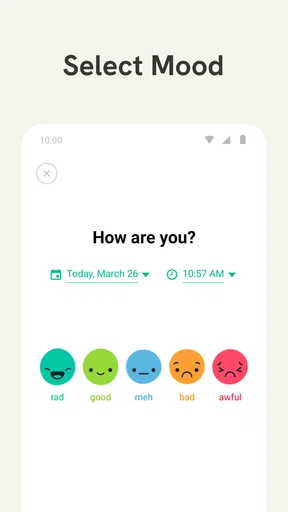
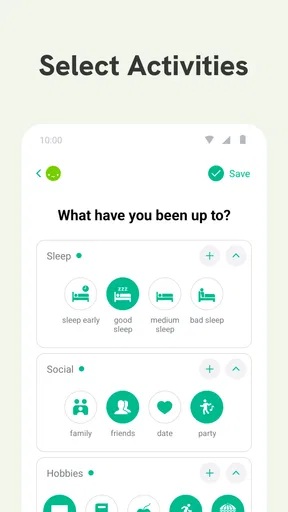
Once you’ve got it up and running, you can start logging your moods with just a few taps. The app uses a simple five-point scale, ranging from "rad" to "awful," to capture how you're feeling. What’s cool is that you can also jot down activities you’ve been up to, like going for a walk, binge-watching Netflix, or even having a deep conversation. It’s a neat way to add context to your mood entries without diving into a full-blown diary entry.
I’d avoid changing the scale or activity choices too often once you begin. If you rename an activity or invent several near-duplicates, entries can become harder to compare later: “walk,” “long walk,” and “walk after work” may describe overlapping habits. I get clearer patterns when I use a small set of labels consistently, then add a new one only when it captures a genuinely different part of my routine.
That also makes the app easier to keep up with on a shared household device. I would not treat one person’s mood history as a family log: each person’s entries can reflect private feelings, and mixing them would make the patterns confusing as well as exposing personal information. If several people want to use a tracker, I’d have each person use their own device and keep their check-ins separate rather than passing one unlocked phone around.
Worth Reading Before You Choose

Flipboard Shows What News Apps Must Do Beyond the Feed

Switching to Android Auto Means Rethinking Your Driving Routine

Google Calendar Makes a Crowded Week Easier to Manage

Ludo King Makes the Most of the Minutes Between Plans

Baby Panda World Brings Quick Play to Modern Phones, but Its Game Library Feels Busy

ESPN’s Live Game View Makes Following Close Games Easier
Features That Stand Out
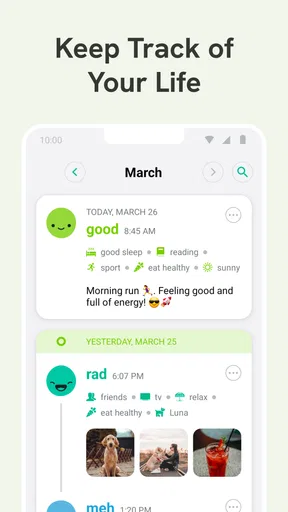
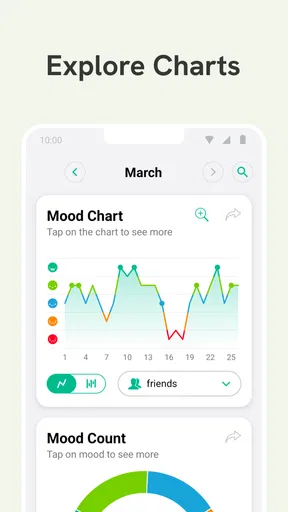
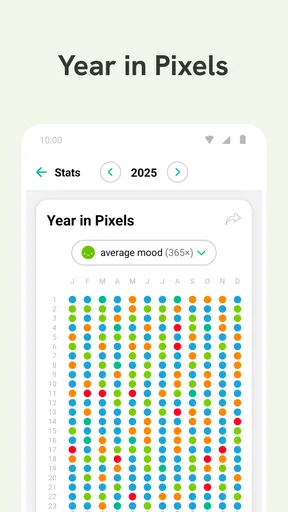
One of the standout features for me is the statistics section. Daylio compiles your mood entries into easy-to-read graphs and charts, making it super simple to spot trends over time. Maybe you notice you’re consistently happier on the weekends, or perhaps certain activities lift your mood more than others. It’s like having a personal analytics tool for your emotional well-being.
Another feature worth mentioning is the app's customizability. You can tweak almost everything to fit your personal style. Want to add your own activities or change the icons? Go for it. This level of personalization makes the app feel truly yours, which is a nice touch.
For a more useful comparison, I’d place Daylio between a blank notebook and a detailed diary. A notebook gives you unlimited room but asks you to supply the structure every time; a full diary encourages longer reflection but can feel like homework when you’re tired. Daylio’s quick mood-and-activity format sits in the middle: it makes repeated check-ins easier, but it cannot capture the nuance of a page describing an argument, a worry, or a meaningful conversation.
That distinction helps me decide what to record. I use the mood and activity labels for the broad outline, then write elsewhere if an event needs careful context or if I want to work through a complicated feeling. A practical tip is to choose activities that describe things you can reasonably act on, such as sleep routine or time outdoors, rather than labels that judge you. The former may help you notice a pattern; the latter can turn a neutral record into a scorecard.
The Practical Benefits
Okay, so beyond being easy to use and customizable, how does Daylio actually help? For starters, it can be a fantastic tool for self-reflection. Over time, you’ll start noticing patterns in your behavior and emotions that you might not have been aware of. This can be invaluable for personal growth and understanding what makes you tick.
Moreover, if you're working with a therapist or counselor, the data from Daylio can provide concrete examples of your emotional highs and lows. This can make discussions more focused and productive, as you have actual data to back up your feelings and experiences.
A realistic routine is to check in at a time you already pause, such as after dinner, and record the day before the details blur. If I had a tense morning followed by a calmer evening, I’d pick the mood that best represents the moment I’m tracking and use activities to preserve some context. The point is not to force one rating to represent every hour; it is to decide on a consistent check-in moment so comparisons remain meaningful.
For a therapy appointment, I’d use the record as a memory aid rather than a report card. A run of difficult days can help me remember when a change began, while an activity pattern can suggest a useful topic to discuss. I would still explain what was happening in my own words, since a mood scale cannot show the full context or the intensity and meaning behind an event.
Little Things That Could Improve
No app is perfect, right? While Daylio is pretty fantastic, there are a couple of things I’d love to see improved. For one, while the free version offers a lot, some of the more advanced features require a premium subscription. It’s not a deal-breaker, but it’s something to keep in mind if you’re on a tight budget.
Also, while the app is great at collecting and displaying data, it doesn’t offer much in the way of proactive suggestions or tips based on your mood trends. It could be cool if future updates included personalized advice or motivational quotes tailored to how you’re feeling.
I’d also be cautious about expecting a tracker to make a habit automatic. A reminder can help establish a routine, but if a check-in starts to feel like another obligation, I’d simplify the activity list and record only what I can maintain. A sparse, consistent record is more useful to me than an ambitious setup abandoned after a few days. And if recording moods makes you more anxious or self-critical, taking a break or switching to private notes may be the kinder choice.
Privacy, Boundaries, and Age
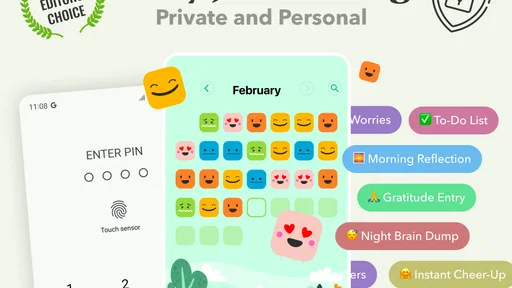
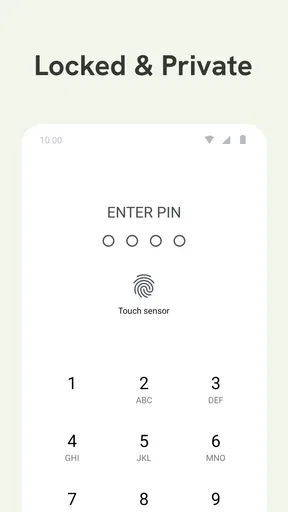
Because the entries can touch on private feelings, I’d make a clear boundary before using the app around other people. The app’s lock-oriented diary positioning makes privacy part of its appeal, but a lock should not be mistaken for a reason to share a device or account. I’d use the phone’s own screen lock, avoid leaving personal entries open for someone else, and never assume another household member can see or manage my journal safely.
That matters especially when a parent and teenager are both curious about mood tracking. The app is rated for everyone, but an age label is not a substitute for a conversation about what gets recorded and who may read it. I’d let a young person decide whether tracking feels comfortable, explain that the record is theirs, and avoid turning it into a daily check parents inspect. If a family needs shared coordination about appointments or routines, a shared calendar is a better fit than combining private mood histories.
Daylio is not a crisis service or a replacement for professional care. I’d use it as a lightweight record to support reflection, not as a tool to assess another person, settle a disagreement, or prove how someone should feel. That boundary keeps the app in its strongest role: helping its owner remember and review their own experience.
Wrapping It Up
All in all, Daylio Journal - Mood Tracker is an excellent tool for anyone looking to keep tabs on their emotional health. It’s user-friendly, insightful, and even a bit fun to use. If you’re curious about pattern recognition in your daily moods or just want a simple way to document your feelings, give it a try. Whether you stick with the free version or opt for the premium package, it’s a neat addition to your self-care routine.
So there you have it, my take on Daylio after giving it a solid go. It's definitely worth checking out if you're on a journey to better understand yourself. Happy mood tracking!
Who I’d Recommend It To
I’d recommend Daylio to someone who wants a low-effort way to build a personal record, especially if writing paragraphs every day has never stuck. It can also suit people who already keep a journal but want a quick way to notice recurring links between activities and moods. It is less suitable for anyone who needs long-form writing, guided therapeutic exercises, or a shared family dashboard; a notebook, a dedicated care service, or a coordination app may serve those needs better.
The app is free to start, while optional in-app purchases range from under a dollar to around sixty dollars per item. I’d try the basic routine first and decide whether I actually need paid extras before spending anything. Daylio is made by Habitics, has a 4.7 average from around 450,000 ratings, and has passed 10 million installs. It is a lifestyle app, rated for everyone, and its current version is 1.63.13, with Android 8.0 as the minimum system requirement.
A Household Fit, With Clear Limits
For a household, I see Daylio as an individual tool that can indirectly support better conversations, not a coordination system. Someone might notice that certain days feel consistently harder and choose to talk about workload or routines, but the journal itself should remain theirs to share or not share. There is no need to turn private tracking into a family project for the app to be useful.
My practical verdict is to try it if you want a personal, quick-check-in journal and are comfortable keeping your reflections private. Skip it if you expect it to interpret your emotions, replace professional support, or let family members coordinate through shared entries. Used with those boundaries, it can make a small daily pause easier to maintain without asking you to write a full account of your life.
Pros
- Simple interface for easy mood tracking.
- Customizable mood and activity options.
- Daily
- weekly
- and monthly insights.
- Backup and restore via cloud services.
- No ads in the premium version.
Cons
- Limited features in the free version.
- No option for voice entries.
- Requires manual mood logging.
- Can be overwhelming for new users.
- Premium version is subscription-based.
FAQs for Daylio Journal - Mood Tracker
What is Daylio Journal - Mood Tracker, and how does it work?
Daylio Journal is a mobile app designed to track your moods and activities without the need for writing. Users select their current mood from a range of options and add activities they've done. Over time, Daylio provides insights and trends about your emotional and behavioral patterns, helping you understand and improve your mental well-being.
Is Daylio Journal suitable for tracking mental health?
Yes, Daylio Journal can be an effective tool for monitoring mental health. By consistently logging your moods and activities, the app helps identify patterns and triggers. This can be especially useful for those managing mental health issues, as it provides data that can be shared with therapists or used for personal reflection.
Does Daylio Journal offer any privacy features?
Daylio Journal values user privacy and offers several features to protect your data. You can set up a PIN or biometric lock to secure your entries. Additionally, the app allows you to back up your data to Google Drive or Dropbox, ensuring your information is safely stored and recoverable if needed.
Can Daylio Journal be customized to fit individual needs?
Yes, Daylio Journal offers extensive customization options. Users can create personalized mood labels, add custom activities, and choose from various color themes. This flexibility allows the app to cater to individual preferences and ensures that the tracking experience is relevant and engaging for each user.
Is Daylio Journal free to use, and what features are included in the premium version?
Daylio Journal is free to download and use, offering basic features like mood and activity tracking. However, a premium version is available and includes additional features like advanced statistics, unlimited mood selections, and the ability to export data. The premium version is available through a subscription, enhancing the app's functionality and user experience.


